
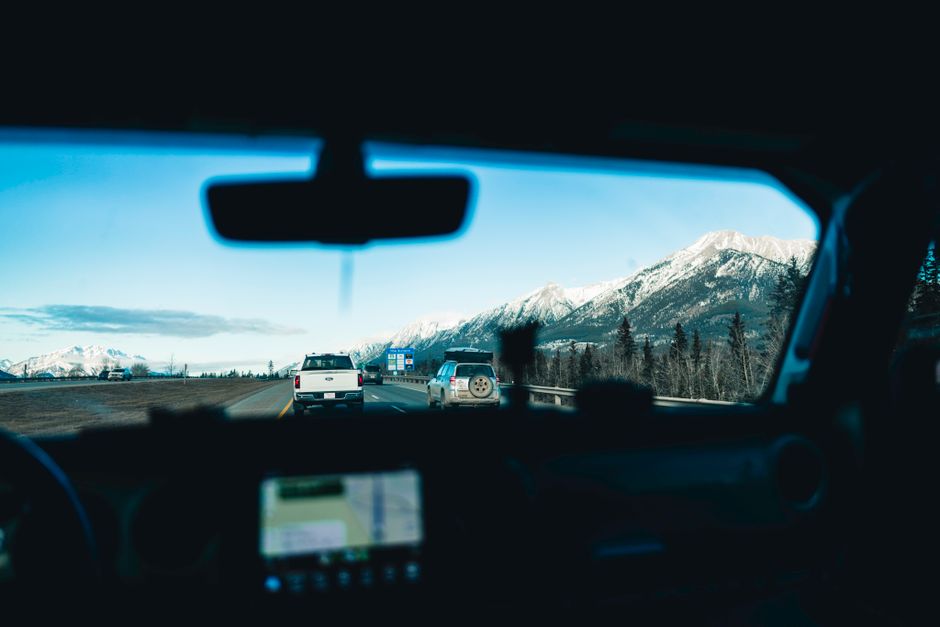
Every EV road trip guide starts the same way. Here’s the app. Here’s the network. Here’s how to find a charger in the next town. All useful. All the wrong starting point. The single biggest factor in a smooth road trip isn’t what you find on the road. It’s whether you left home with a full charge, from a charger your electrician installed properly in the first place.
The Home Charger Is the Real Road Trip Prep
A Level 2 home charger adds roughly 30-40 km of range per hour. Charge overnight, and almost any EV reaches 100% before you’ve had coffee. Compare that to showing up at a public fast charger already low on range. You wait in a queue. You hope the next one down the road actually works. The best trips start with the first 300-400 km already banked before you leave the driveway.
What “Installed Properly” Actually Means
People skip this part more than they should. In Canada, home EV charger installation isn’t a job for a general handyman plugging into a spare outlet. It takes a Licensed Electrical Contractor. In Ontario, that means pulling a real electrical permit through the Electrical Safety Authority (ESA). An inspection and a Certificate of Acceptance follow. Skipping that step isn’t just a compliance issue. An electrician who verifies your home’s real panel capacity catches that risk early. Skip it, and a circuit can quietly overload because nobody checked. For this, book a licensed electrician to install your home charger instead of improvising. It’s a few hundred dollars and a few hours, not a project.
Finding Chargers Once You’re Actually on the Road
Once you’ve sorted the home charger, planning the on-the-road part gets much easier. FLO is one of the larger charging networks across Canada. Most trip-planning apps show every network’s chargers anyway, not just one brand, so knowing how to track down a FLO station along your route covers most of what you need. The point isn’t to memorize every charger between here and the coast. It’s to avoid arriving at 15%, hunting for a plug. That happens when nobody sets up the home charge that should have covered leg one.
The Real Order of Operations
Plan the route. Check the weather, since cold cuts EV range more than most first-time road-trippers expect. But before any of that, make sure the charger at home is real, permitted, and properly installed — not a trailing extension cord and good intentions. That’s the part that actually decides whether day one starts at 100%, or at whatever yesterday’s commute left behind.


